Wheat, Tares, and the Hope of a New Life
“She said, No man, Lord. And Jesus said unto her, Neither do I condemn thee: go, and sin no more.”
— John 8:11
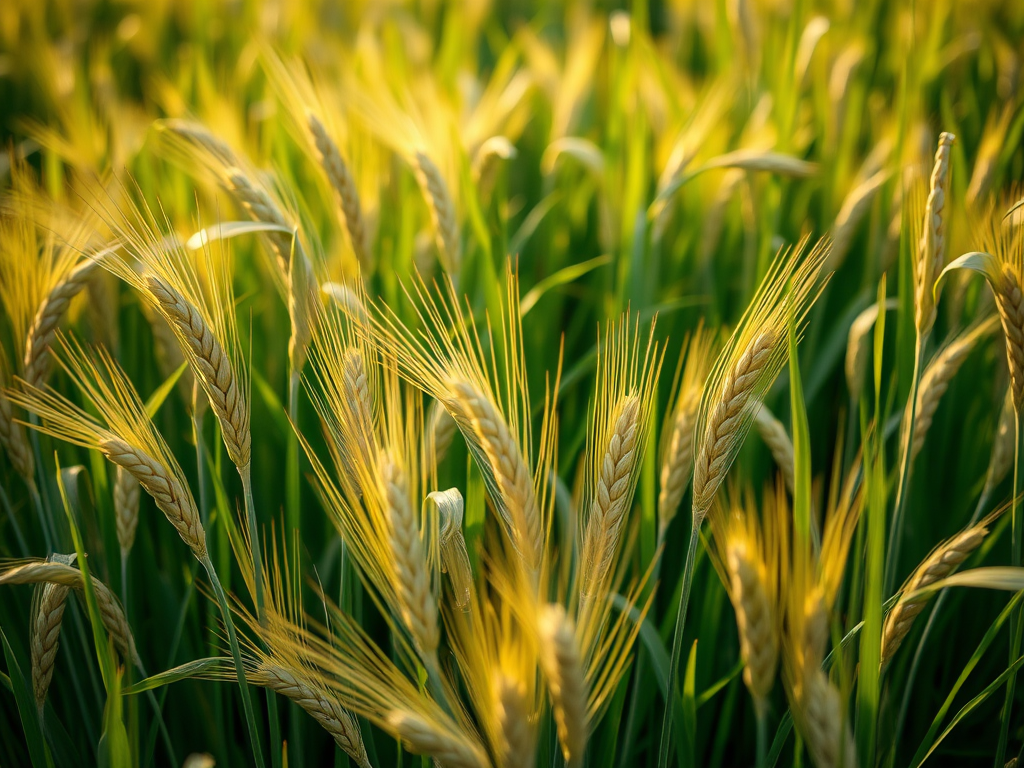
Jesus once told a story about a field.
In that field, wheat and tares grew together. When servants asked if they should pull up the tares, the Master said no. Let them grow together until the harvest. At the appointed time, God Himself would do the sorting.
That teaching shapes how we minister in a complicated world.
Living Without the Burden of Condemnation
Until the end of the age, wheat and tares will share the same soil. Good and evil will grow in close proximity. Brokenness and redemption will appear in the same field.
We are not assigned the role of ultimate judge.
We are called to live:
- without the burden of condemning others,
- without the arrogance of presuming we know the final outcome of a soul,
- and without the reckless impulse to uproot what God may yet redeem.
Not everything that grows in a field is what we planted.
Not everything we plant grows to maturity.
Still, we plant.
Still, we water.
Still, we wait in expectation.
The Woman in the Dust
When the woman caught in adultery was dragged before Jesus, many would have discarded her if they could have done so without condemning themselves. She was, in their estimation, soiled, sullied, unworthy of grace.
But Jesus refused to cast her away.
He did not deny the reality of her sin.
He did not minimize its seriousness.
But neither did He reduce her identity to it.
“Neither do I condemn thee.”
And then—crucially—
“Go, and sin no more.”
Mercy did not eliminate transformation.
Grace did not excuse destruction.
Hope was built into the command.
The One who refused to condemn her also believed she was capable of a new life.
She was not dismissed.
She was redeemed.
Ministering to Wheat and Tares at the Same Time
Pastoral ministry requires unusual tension.
We must:
- hold holiness and mercy together,
- speak truth without weaponizing it,
- refuse condemnation while still calling people into transformation.
Some are wheat already ripening in grace.
Some are tangled in cycles of sin and self-destructive choices.
Some are both at once.
And none of us are qualified to perform final sorting.
Our task is not eradication.
It is cultivation.
We do not abandon people to their sin.
We also do not define them by it.
We say:
There is mercy.
There is hope.
There is a different future available to you.
Looking Toward the Harvest
Jesus also said the fields are white unto harvest.
If that is true, then every person we encounter is a potential part of God’s gathering grace.
Let us be very careful not to destroy any soul that God has planted through our own premature judgment.
Let us labor in His fields with love.
Let us speak truth with hope.
Let us refuse condemnation while boldly inviting transformation.
And when the harvest comes, let us trust the Master of the field to do what only He can do.

 Pastor Tom's Community
Leave a comment