Bible Chat on Acts 28:1-10
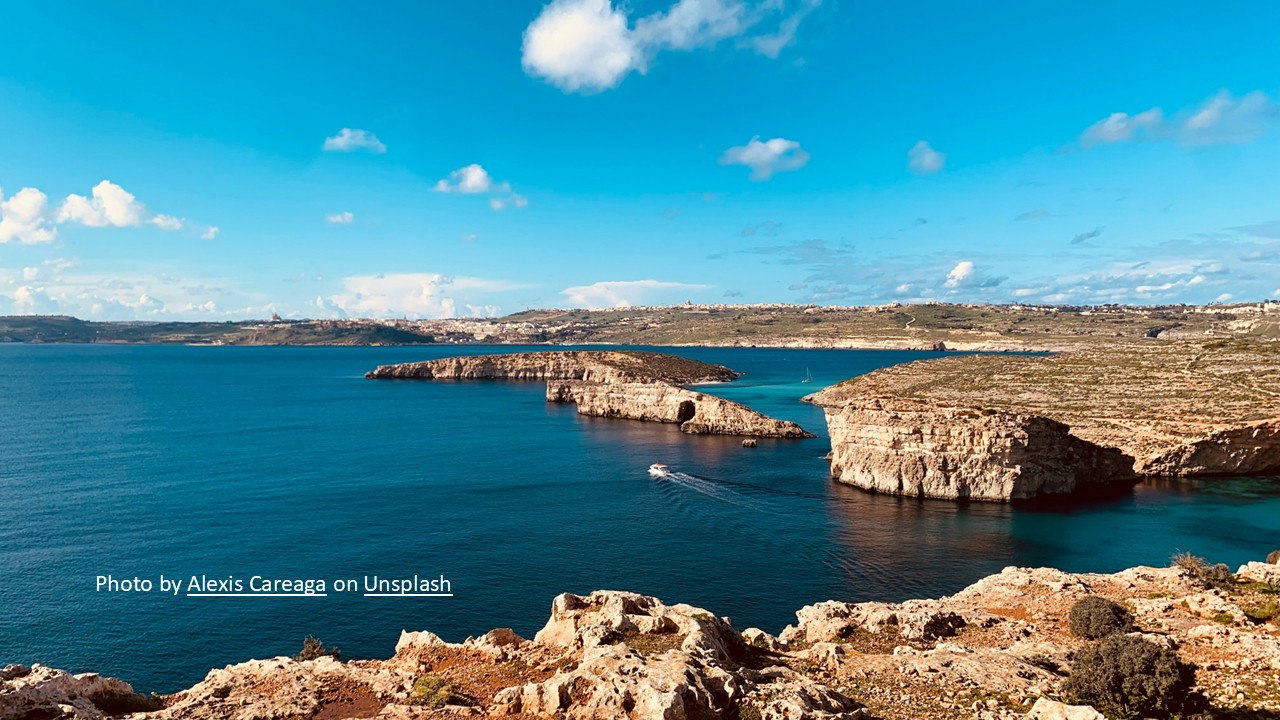
I think that if I were along the Mediterranean in southern Europe, near Sicily, near the place where Europe meets Africa, and I had the opportunity and the time, I would like to visit Malta.
Every picture I see is beautiful.
Every story I hear endears me to it.
And then I think about the Apostle Paul.
Paul is a prisoner. He is on his way to Rome. He has appealed to Caesar, and now he is traveling under guard. He is not on vacation. He is not a free passenger. He is not taking a Mediterranean cruise.
He is a prisoner in transit.
Then comes the storm.
Then comes the shipwreck.
Then comes Malta.
Acts 28 tells us that after everyone reached safety, they learned that the island was called Malta. That little detail matters. They did not even know where they had landed. They had survived the sea, but they had washed ashore in unfamiliar territory.
And what did they find?
Luke says the local people showed them unusual kindness.
It was cold. It was rainy. The shipwrecked survivors were wet, exhausted, and vulnerable. The people of Malta built a fire and welcomed them.
That is the first miracle in this story: hospitality.
Before Paul heals anyone, before anything dramatic happens with a snake, before Publius opens his home, strangers show kindness to strangers.
That is not a small thing.
Paul gathers brushwood and places it on the fire. Then a viper, driven out by the heat, fastens itself on his hand.
The local people see it and immediately interpret the event through their worldview. They say, in effect, “This man must be a murderer. He escaped the sea, but Justice has not allowed him to live.”
They assume the gods are catching up with him.
Paul simply shakes the creature into the fire and suffers no harm.
Then the people wait.
They expect him to swell up or drop dead. But he does not. So they swing to the opposite conclusion. If he is not cursed, he must be divine.
Human beings can change opinions quickly when they do not have a larger truth to hold them steady.
First, Paul is a murderer.
Then, Paul is a god.
But Paul is neither.
He is a servant of Jesus Christ.
Luke does not record everything Paul said in that moment, but knowing Paul, we can safely imagine that he did not allow himself to be worshiped. This was not a moment for self-promotion. It was a moment for witness.
Then the story moves from the fire to a household.
Nearby was the estate of Publius, the leading man of the island. He welcomed Paul and the others and entertained them hospitably for three days. Publius’s father was sick with fever and dysentery. Paul went in, prayed, laid hands on him, and healed him.
After that, others on the island who had diseases came and were cured.
The kindness of Malta opened a door.
The power of God walked through it.
And the gospel left footprints.
Paul did not arrive in Malta with a strategic plan. He arrived by shipwreck.
He did not come as a celebrity teacher. He came as a prisoner.
He did not begin with a pulpit. He began around a fire.
He did not wait for ideal circumstances. He served in the circumstances he had.
That is one of the lessons of Malta.
Sometimes the place where we are delayed becomes the place where God gives us ministry.
Sometimes the interruption becomes the assignment.
Sometimes the shipwreck becomes the doorway.
Paul could have spent the whole time complaining. He could have said, “I am supposed to be in Rome.” He could have resented the storm, the soldiers, the sea, the cold, the snake, and the delay.
Instead, he gathered wood.
He stayed useful.
He prayed.
He healed.
He witnessed.
He received kindness, and he gave kindness.
Eventually, when it was time to sail again, the people of Malta honored Paul and his companions and supplied them with everything they needed.
That is how the passage ends: provision.
They arrived with nothing but wet clothes and survival.
They left with honor, supplies, and testimony.
That is what God can do with a shipwreck.
Everywhere Paul goes, he plants seeds of the gospel. Even when he is bound. Even when he is delayed. Even when he is misunderstood. Even when people misread his suffering. Even when they exaggerate his importance.
He keeps pointing beyond himself.
He keeps serving.
He keeps trusting.
He keeps moving toward Rome, but he does not miss Malta.
And that may be the word for us.
Do not miss Malta.
Do not miss the ministry in the interruption.
Do not miss the people God places around your unexpected fire.
Do not miss the opportunity to show the kindness of Jesus in a place you never planned to be.
You may be on your way somewhere else.
But today, you are here.
And here is a place where God can work.
Reflection Questions
- Where have you experienced an unexpected “Malta” — a delay, detour, or disruption that became meaningful?
- The people of Malta showed “unusual kindness.” Who has shown you kindness in a vulnerable season?
- Paul was first judged as guilty and then mistaken for divine. How do people still jump to conclusions about suffering, success, or survival?
- What does Paul’s gathering of brushwood teach us about staying useful in difficult circumstances?
- Is there an interruption in your life right now that might also be an assignment?
Short Closing Prayer
Lord,
teach us not to despise the detours.
When we are delayed, make us attentive.
When we are misunderstood, keep us steady.
When we are welcomed, make us grateful.
When we are needed, make us useful.
Turn our shipwrecks into witness,
our interruptions into ministry,
and our survival into service.
In Jesus’ name,
Amen.
 Pastor Tom's Community
Leave a comment