On This Day: Ephesus and the Weight of Words
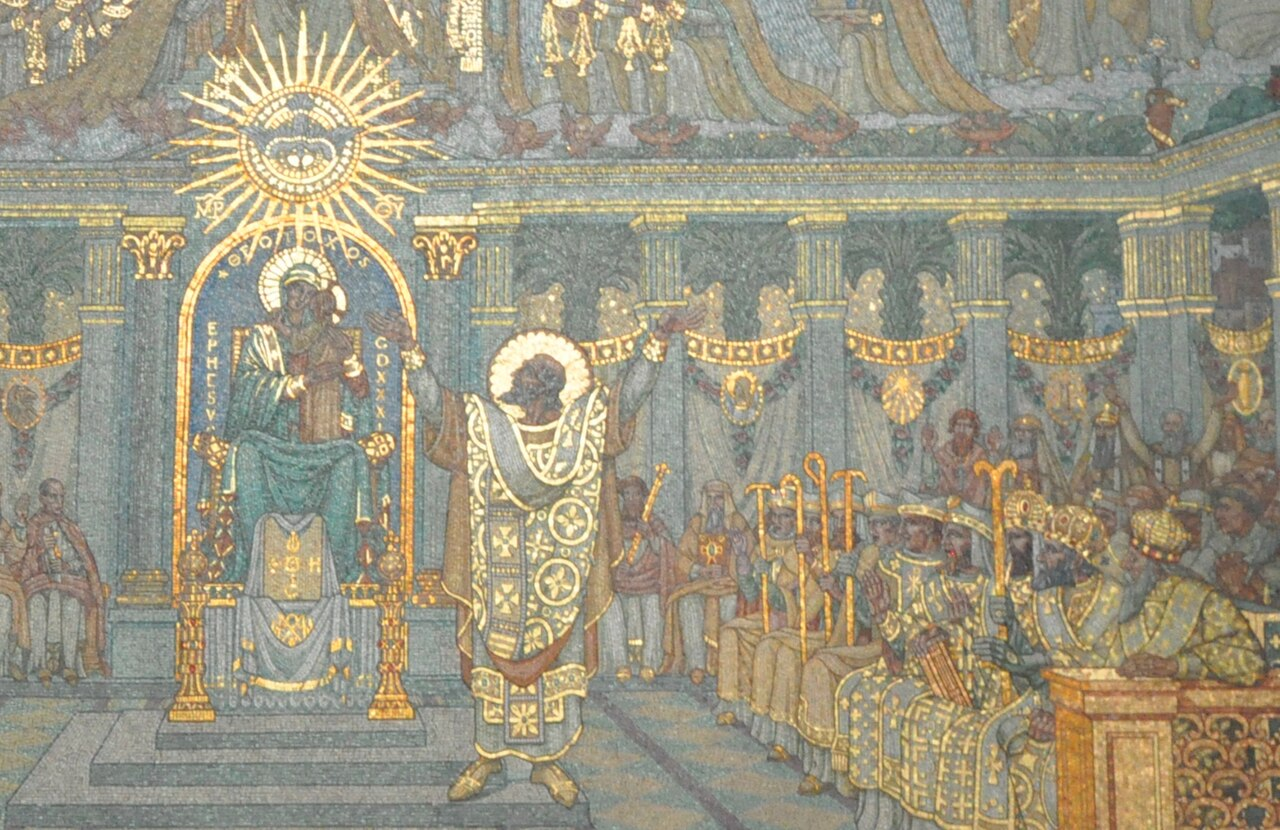
On this day in 431, the Council of Ephesus convened.
The emperor, Theodosius II, apparently felt it necessary to gather the bishops of the church to settle a matter of language.
Or was it only language?
The issue, at least on the surface, had to do with what Christians should call Mary. Was she Christotokos, the Christ-bearer? Or Theotokos, the God-bearer?
At first glance, that can sound like a technical dispute, maybe even a semantic one. But words are rarely “just words” when they are used to describe Jesus.
“Christ-bearer” sounds softer. It may feel less confrontational. It leaves room for nuance. But it can also imply a separation between Jesus the man and Jesus the Son of God. “God-bearer,” on the other hand, presses the confession that the one born of Mary is not merely an anointed messenger of God, but God the Son incarnate.
So the question was not really about Mary first. It was about Jesus.
Who was carried in the womb?
Who was born in Bethlehem?
Who suffered?
Who died?
Who rose?
The councils of the early church were rare. This was only the third council recognized as ecumenical, after Nicaea and Constantinople. The church did not gather lightly. It gathered because it believed some words protected the gospel, and other words slowly changed it.
Is that trivial?
In the last few days, thousands of Southern Baptists gathered again to debate the role of women in the church — an issue that has been before them for several years now. In 2026, messengers approved a proposed constitutional amendment strengthening the denomination’s exclusion of churches with women serving as pastors, elders, or overseers; it still requires another vote next year to become final.
So I suppose this is not new.
The church has always gathered to argue over words, offices, authority, boundaries, and interpretation. Sometimes the debate is necessary. Sometimes it is exhausting. Sometimes it is clarifying. Sometimes it becomes a substitute for obedience.
Is it necessary?
The jury may still be out — probably until Jesus comes. And, of course, we are still debating the details of that too.
But I do not think God is waiting for us to figure everything out before God acts.
The Word became flesh before the bishops found the final phrasing.
Christ is Lord before our motions pass.
The Spirit is poured out before our committees finish reporting.
And grace, thankfully, does not wait for unanimous consent.
 Pastor Tom's Community
Leave a comment